Dear Friends of FTSP,
Hello again from Flipping the Script Productions!
Somewhere just after midnight, an interesting question occurred to me: Could there come a day when an entire musical is performed through texting?
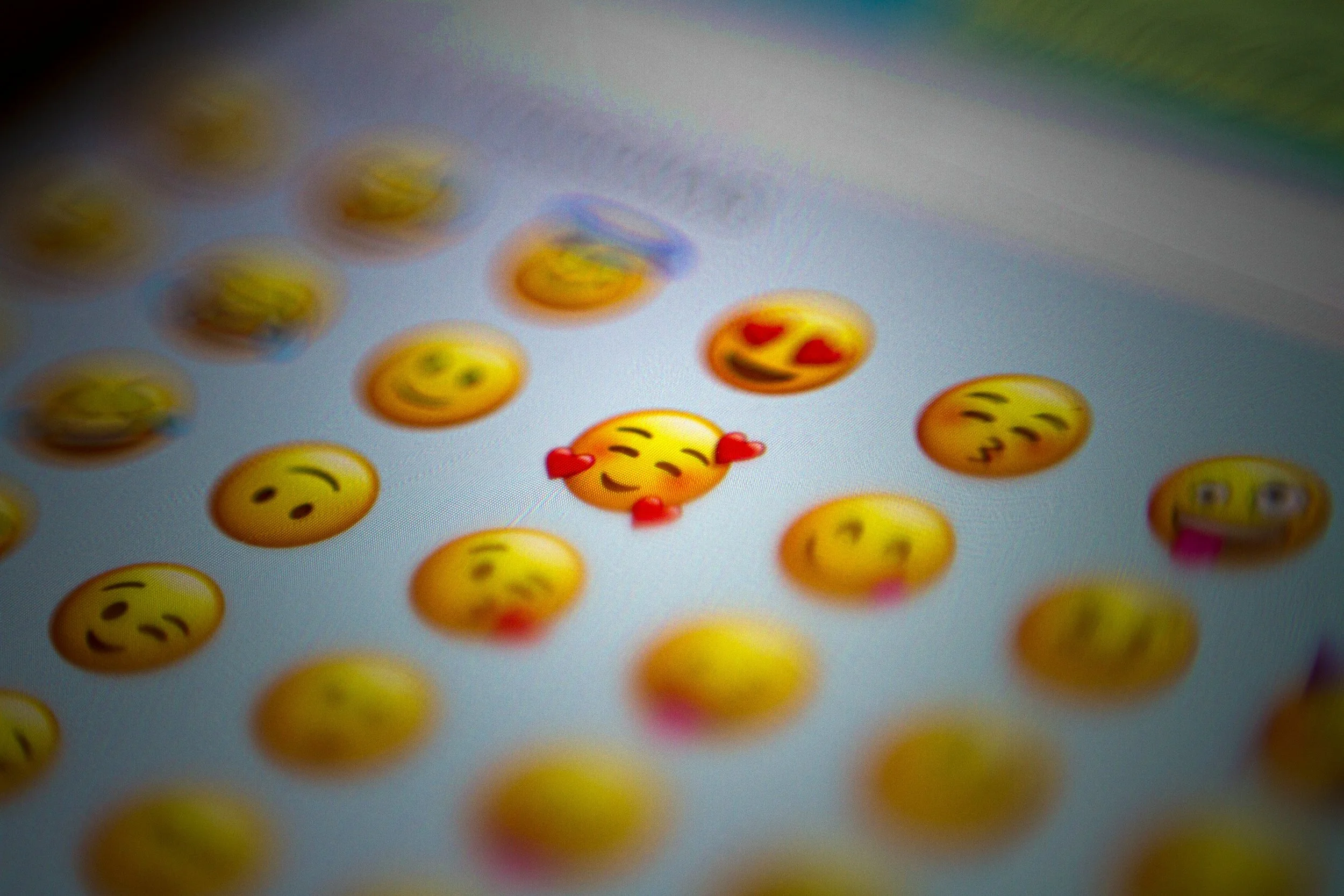
Imagine a stage on which the characters communicate almost entirely through their phones, with their messages projected onto a large screen for the audience to read. Perhaps the actors would sing their texts instead of traditional dialogue. We might see an exchange of messages unfold before us, complete with the pauses, misunderstandings, abbreviations, and emotional revelations that have become part of everyday communication.
It may sound a little far-fetched, but theater has always found ways to incorporate the communication methods of its time. Letters, telegrams, telephone calls, and recorded messages have all served as vehicles for storytelling. Why would text messages be any different?
In fact, artists have already begun exploring some of these possibilities.
When Text Messages Become Theater
Artist Erica Meryl Thomas explored this idea in her project Text Message Plays. Working in collaboration with Amy Conway, Thomas collected people's text message exchanges and had actors perform them as short plays. Some exchanges lasted only a few minutes, while others developed into much longer stories chronicling the rise and fall of relationships.
What makes this project particularly interesting is that the material came from ordinary conversations. Thomas observed that people often read their text messages aloud to friends when recounting something funny, sad, or otherwise memorable.
Our phones have become, in a sense, personal archives of our lives. By bringing those exchanges onto a stage, Thomas was showcasing the first hand recordings of friendships, arguments, courtships, breakups, and countless other moments.
A Broadway Musical Already Points the Way
When I saw Dear Evan Hansen, I was struck by the important role that technology played in both the story and the production itself. Social media and digital communication were not merely incidental details. They helped drive the plot, shape the characters' relationships, and determine how the audience experienced the story.
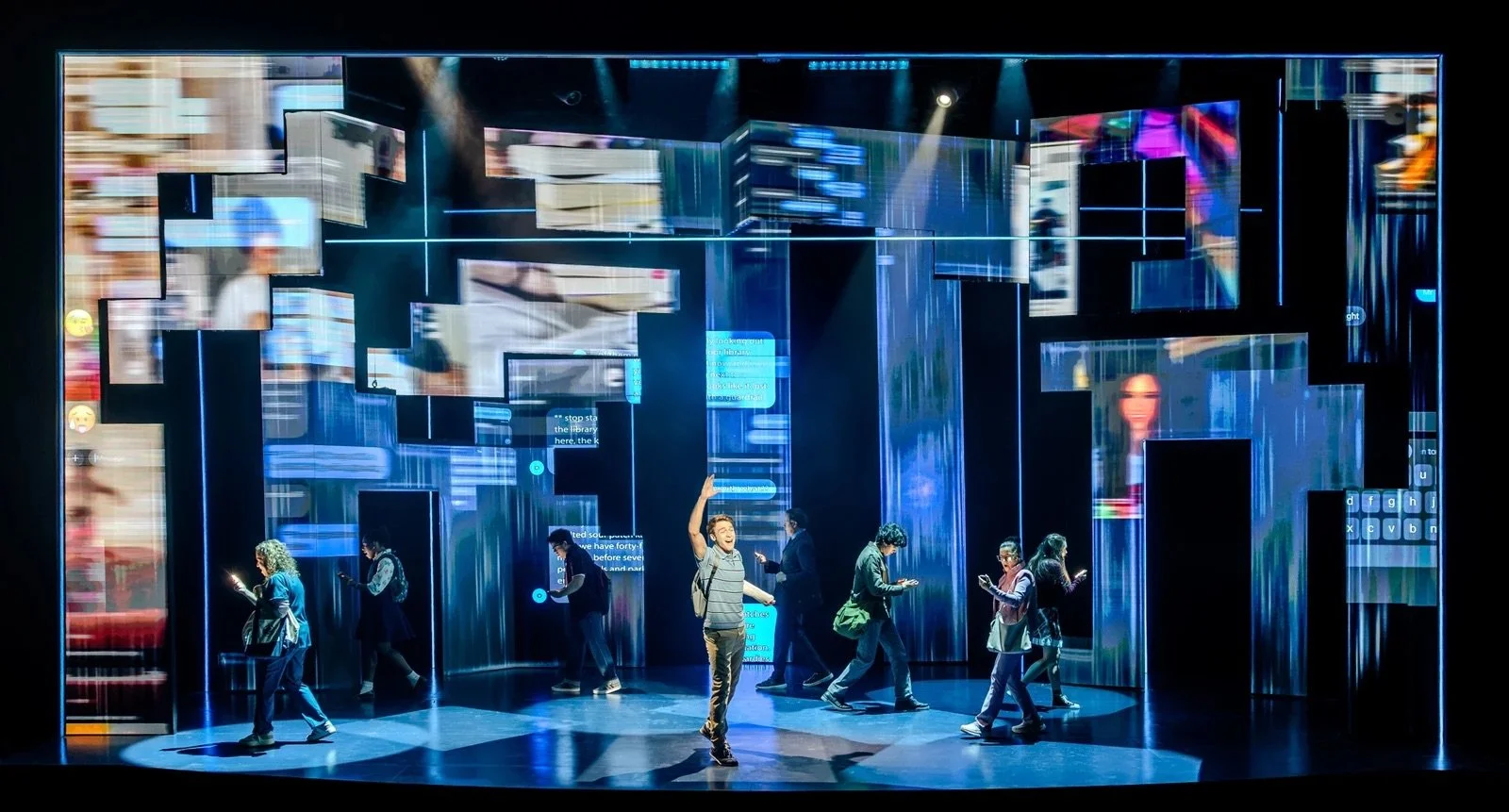
So I went digging for some commentary on that form, and in a 2019 article, Social Media's Role in the Tony Award Winning Musical, Dear Evan Hansen, Kassie Meiler examined how the production incorporated digital communication into its theatrical language.
Projected social media feeds, notification sounds, and messages appearing onstage helped establish the show's contemporary setting. Digital conversations became part of the performance rather than remaining hidden behind the actors' devices.
One particularly compelling example occurs during the song "You Will Be Found." As the message at the heart of the song spreads across social media, projected posts and captions accumulate onstage, eventually overlapping as the response grows. This moment in the production went beyond its own plot, and conveyed the extraordinary speed and emotional intensity with which a message can travel through social media.
Would Audiences Embrace a Musical in Text?
What might happen if a future composer and playwright made digital communication the primary language of the entire work? There are some obvious challenges.
Reading projected messages for an extended period might become tiring, and a production would have to find a way to keep the audience emotionally engaged. Would the actors sing the messages aloud? Would the words appear on screens while the performers moved silently across the stage? Could a rapid exchange of texts become a duet, with two characters expressing their thoughts simultaneously through music?
And what about the distinctive language of texting itself? Abbreviations, emojis, punctuation, and the occasional misunderstanding could all become theatrical devices. A single unanswered message might create suspense; a typing indicator might build anticipation; and a message sent to the wrong person could set an entire plot in motion.
There is also the question of whether such a production would appeal primarily to younger audiences or whether it might offer something meaningful to theatergoers of every generation. After all, while the ways in which we communicate continue to change, the feelings behind our conversations remain remarkably familiar.
Perhaps the most interesting possibility is not that texting will replace traditional dialogue, but that it will offer playwrights and composers another way to explore the complexities of human relationships.
I would be curious to know what our readers think. Would you purchase a ticket to see a musical in which the characters did most of their talking and singing through text messages? Would you find the concept innovative and exciting, or would you prefer to leave your phone behind when you enter the theater?
And if you were writing such a musical, what kind of story would you tell?
As always, I look forward to hearing your thoughts!
Warmly,
Stephen Rourke
Connect with Us
Follow us for updates and behind-the-scenes content:
Share our Mission
Our goal is to expand our reach as much as possible. If you know someone who would be interested in joining our dialogue regarding theatre, Broadway, and diverse voices, send them this email!
Flipping The Script Productions
6719 Old Pimlico Road, Baltimore, Maryland, 21209